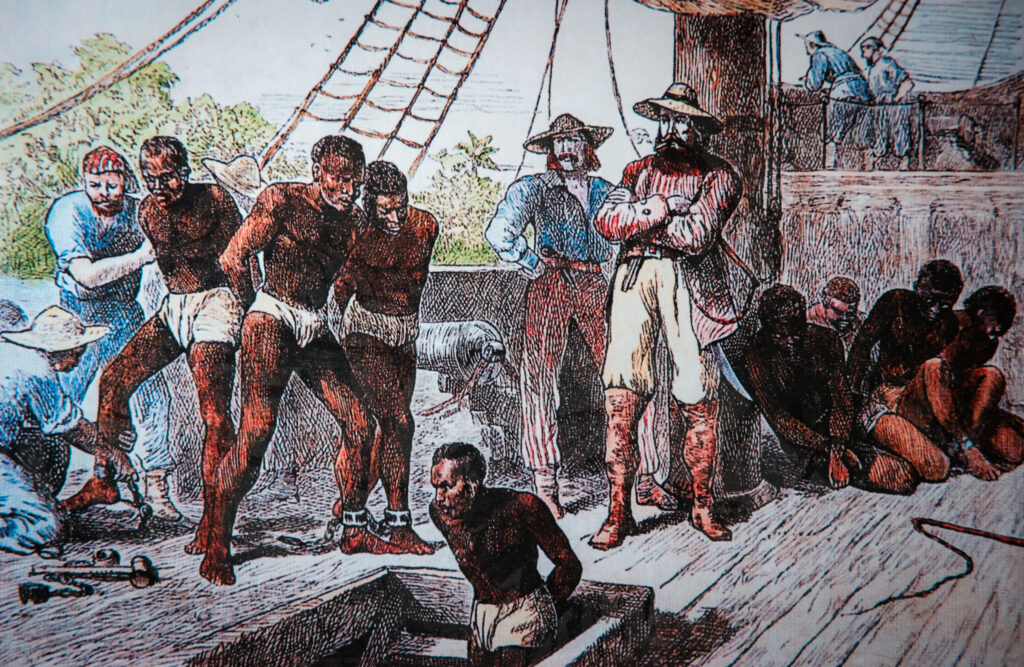
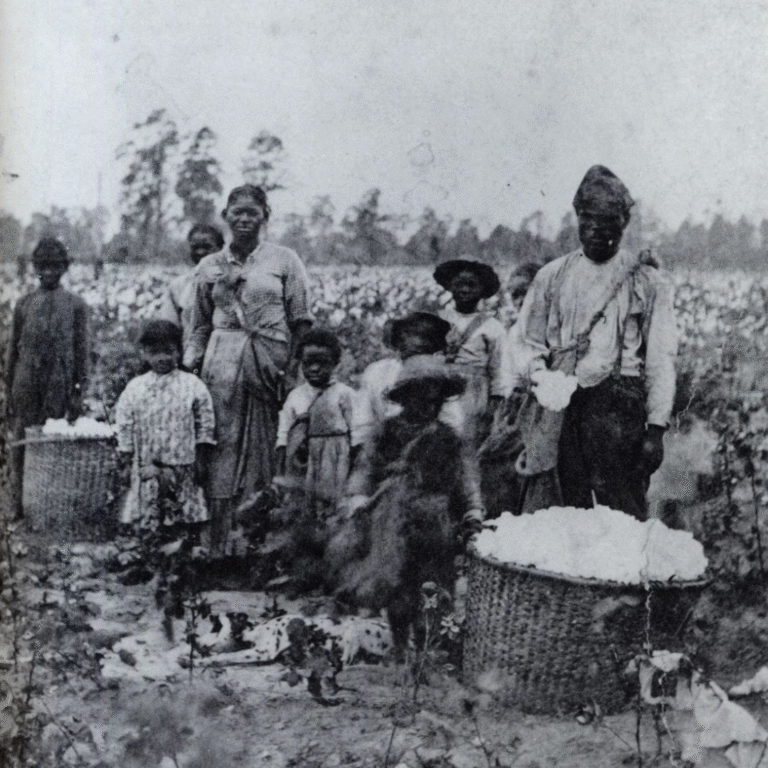
Possibly, the gap in quality of life between Black and White people wouldn’t be so wide today if Black people had been fully free and accepted into society after abolition in 1865. Lincoln would’ve done a great job with this transition, but unfortunately, he was assassinated. His successor, Andrew Johnson, did such a poor job of establishing rights for the freed slaves that he was impeached for it. Johnson allowed the South to turn the slave codes into restrictive back codes, and then by 1898, the black codes became known as Jim Crow segregation laws. The landmark Supreme Court case of Plessy v. Ferguson could’ve reversed the Jim Crow Laws, but the all-white bench ruled against Plessy (listen to this song that explains Plessy v. Ferguson).
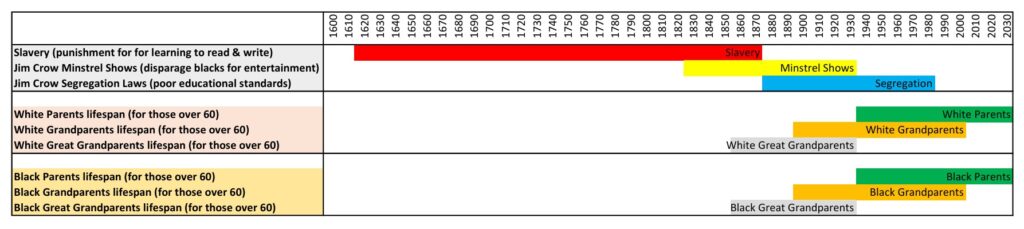
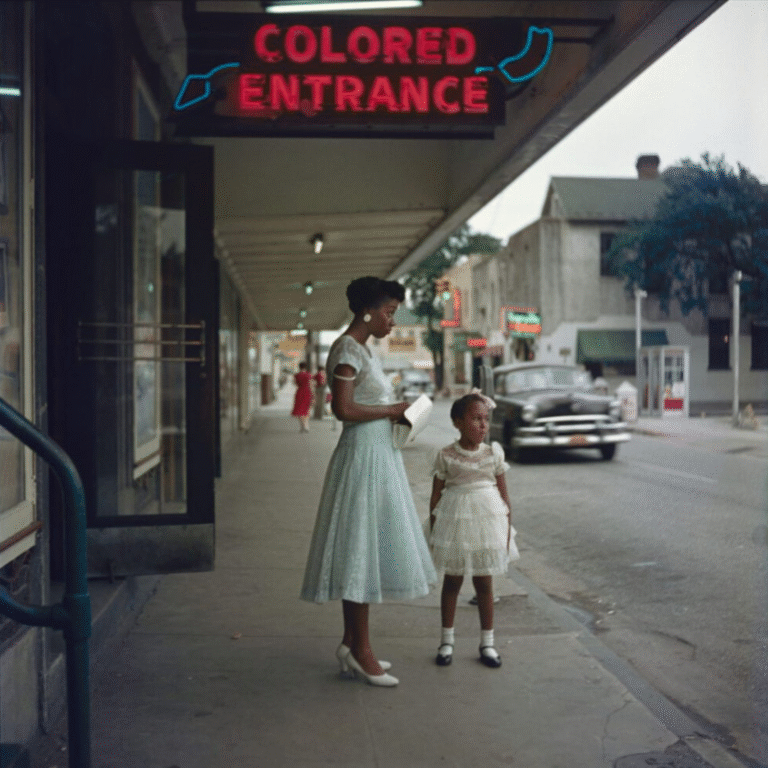
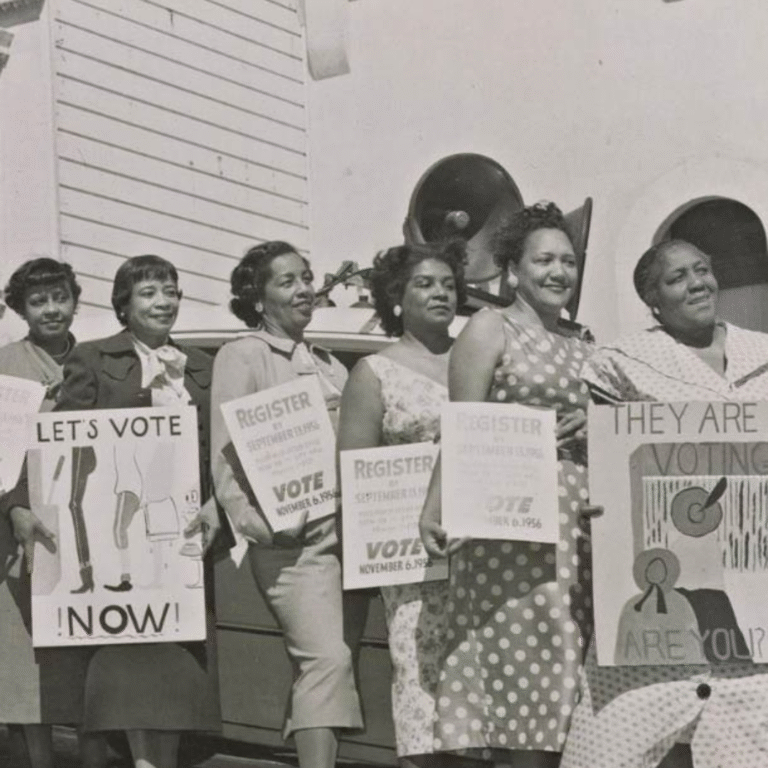
As you learned from the song above, these Jim Crow segregation laws forced Black people to live in separate, substandard conditions and allowed very few educational and economic opportunities. These laws remained in effect until the Civil Rights Act of 1964, and segregated schools remained in place until 1975. Therefore, Black people have only been truly free for about 50 years.
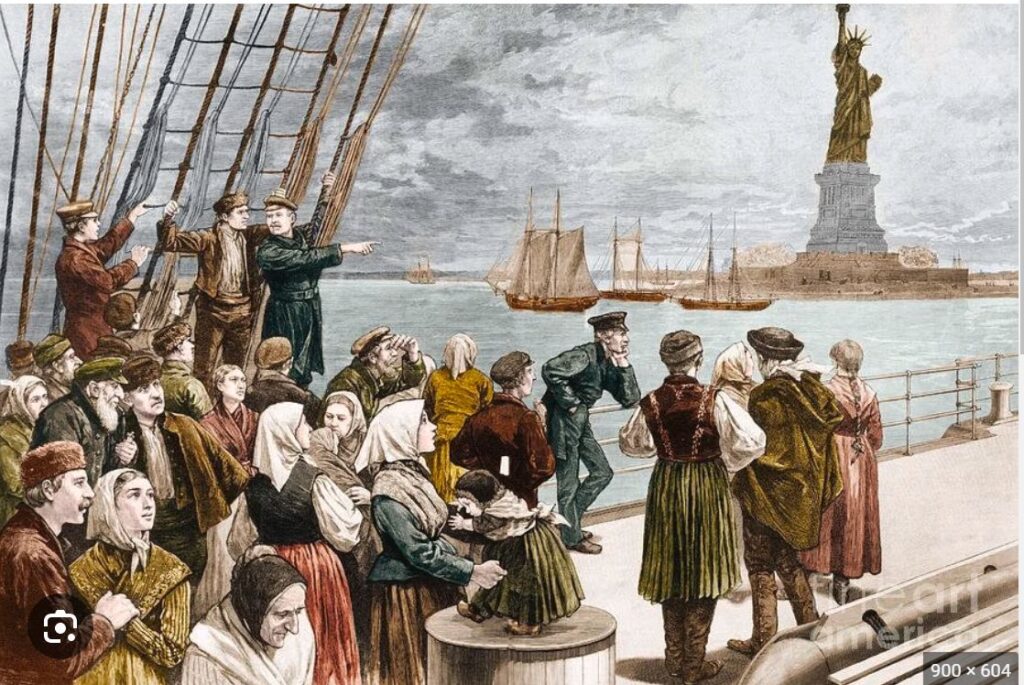
Black people currently make up 14% of the United States’ overall population. Had they immigrated to this country from Africa the same way white people did from Europe, all the percentages below would match the population.
The only reason for the gap between the percentages and the 14% population is 246 years of deliberate educational denial and 110 years of suppression laws.
Percentages of Black People per profession (Overall Black Population is 14%):
Physicists – 1%
Fortune 500 CEO’s – 2%
Certified Public Accountants – 2%
Certified Financial Planners 2%
Architects – 2%
Interior Designers – 2%
Business Owners – 3%
Commercial Pilots – 3%
Mechanical Engineers – 3%
Software Engineers – 3%
General Contractors – 4%
Licensed Mechanical Contractors – 4%
Attorneys – 5%
Electrical Engineers – 5%
Doctors – 6%
Realtors – 6%
Nurse Practitioners – 7%
College Professors – 7%
Licensed Electricians – 9%
Computer Engineers – 11%
Healthcare Administrators – 12%
Healthcare Executives – 12%
Registered Nurses – 12%
Overall Home Ownership for Blacks – 43% (compared to whites at 74%)
Black people with Bachelor’s Degrees – 26% (compared to whites at 42%)
Black people with Master’s Degrees – 9% (compared to whites at 11%)
In 1954, Brown v. The Board of Education outlawed segregated schools. Did the white population honor this law? No, they didn’t. The next step was the passage of the Civil Rights Act of 1964, which mandated that the Federal Government stop funding segregated schools. Did that put a halt to segregated schools? Nope, the government kept funding them for another 11 years. They finally got around to enforcing the law in 1975.
Louisville, Kentucky, was one of the first school systems in the country to initiate forced busing in 1975. There were riots, KKK rallies, and the National Guard had to be called in. Judge James Gordon was tasked with implementing the mandate, and there was extreme resistance from the white community (listen to this song sung by Judge James Gordon).
Hopefully, you can now agree that the reason the percentages above don’t match the 14% population is due to the 356 years of societal and educational obstacles that black people have had to overcome. Slavery and the hardships that followed it should have never happened. If these things hadn’t happened, we would all have the same standard of living today.